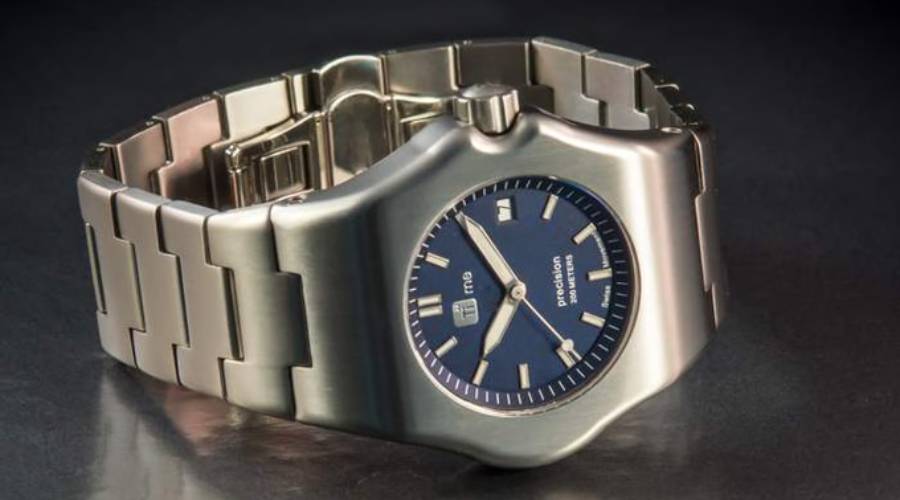
When exploring the world of mechanical watches, you may have noticed terms like “21 Jewels” or “19 Jewels” displayed on watch dials or specifications. These numbers refer to the number of synthetic rubies, or “jewels,” used within the watch’s movement. As a leading OEM and ODM watch manufacturer, Romlicen has years of expertise in crafting custom timepieces. In this blog post, we’ll dive into the role of jewels in mechanical watches, how they impact quality, and what to consider when choosing a movement for your custom watch.
What Are Jewels in a Watch?
In mechanical watches, “jewels” refer to synthetic rubies (or occasionally other gemstones) used as bearings and components within the movement. These jewels are strategically placed in high-wear areas, such as the pivots of gears (e.g., the balance wheel, escape wheel, or gear train) and the escapement mechanism, to reduce friction and wear. By minimizing friction, jewels ensure smoother operation, improve durability, and enhance the longevity of the watch.
The number of jewels in a watch is often indicated as a measure of quality, but more jewels don’t always mean a better watch. Let’s explore the science and purpose behind these components.

The Science Behind Synthetic Rubies
Jewels in watches are typically made from synthetic corundum, a crystalline form of aluminum oxide (α-Al₂O₃). These synthetic rubies are chemically identical to natural rubies, with the same hardness (9 on the Mohs scale, just below diamond) and durability. The red color comes from trace amounts of chromium ions (Cr³⁺) replacing aluminum ions (Al³⁺) in the crystal lattice, with the intensity of the color depending on the chromium concentration.
Synthetic rubies are produced using methods like the flame fusion process, where powdered aluminum oxide is melted at high temperatures and crystallized into a single ruby crystal. Other methods, such as the Czochralski process or heat exchange method, may also be used. These synthetic gems are cost-effective and possess exceptional properties:
- High Hardness: With a Mohs hardness of 9, synthetic rubies are incredibly resistant to wear.
- Low Friction: Their smooth surfaces reduce friction in moving parts, improving efficiency.
- Thermal Stability: Synthetic rubies maintain performance under varying temperatures.
- Aesthetic Appeal: Beyond functionality, their vibrant red hue adds a decorative element to some watch designs.
These qualities make synthetic rubies ideal for use in watch bearings, pallet forks, and even decorative elements like dial markers.

Where Are Jewels Used in a Watch Movement?
Jewels are strategically placed in areas of the watch movement that experience significant friction or wear. Common locations include:
- Gear Train Bearings: The pivots of the gear train (e.g., the second, third, and escape wheels) use jewel bearings to reduce friction and ensure smooth rotation.
- Escapement Mechanism: The pallet fork and escape wheel, critical for regulating timekeeping, often feature jewels to minimize wear.
- Balance Wheel: The balance wheel’s pivots are supported by jewels to maintain precision and stability.
Automatic Winding System: In automatic watches, additional jewels may be used in the rotor mechanism to enhance efficiency.
For standard mechanical watches, 17 to 19 jewels are typically sufficient to cover the essential components. Automatic watches, with their additional winding mechanisms, often require 25 to 30 jewels to ensure smooth operation. However, adding jewels to non-functional or decorative parts does not significantly improve performance and may simply increase cost.
Does More Jewels Mean a Better Watch?
While the jewel count is often marketed as a sign of quality, it’s not the sole indicator of a watch’s performance. A higher jewel count can improve a movement’s durability and efficiency, but only if the jewels are placed in functional areas. For example:
- 17–19 Jewels: Adequate for most manual-wind mechanical watches, covering critical bearings and escapement components.
- 25–30 Jewels: Common in automatic watches, accommodating the additional complexity of the winding rotor.
- Excessive Jewels: Beyond a certain point (e.g., 30+ jewels), additional jewels may serve decorative purposes or be placed in non-critical areas, offering little to no functional benefit.
When choosing a movement for a custom watch, focus on the quality of the movement itself—its design, craftsmanship, and finishing—rather than just the jewel count. Reputable movements from manufacturers like ETA, Sellita, or Miyota are known for balancing performance and jewel count effectively.
Why Choose Synthetic Rubies?
Synthetic rubies are preferred over natural ones for several reasons:
- Cost-Effectiveness: Synthetic rubies are far less expensive to produce, making them practical for mass production without sacrificing quality.
- Consistency: Synthetic rubies offer uniform quality, free from the imperfections often found in natural gems.
- Durability: Their high hardness and low friction coefficient make them ideal for long-term use in precision instruments like watches.
Beyond their functional role, synthetic rubies can also enhance a watch’s aesthetic. For example, some high-end watches use visible ruby jewels on the movement or dial as a decorative feature, showcasing the craftsmanship within.
Choosing the Right Movement for Your Custom Watch
When designing a custom watch with Romlicen, selecting the appropriate movement is crucial. Here are some tips to guide your decision:
- Understand Your Needs: Decide whether you want a manual-wind or automatic movement. Automatic movements typically require more jewels due to their winding mechanism.
- Balance Quality and Budget: A well-designed 17-jewel manual movement can outperform a poorly made 30-jewel movement. Focus on reputable movement brands known for reliability.
- Consider Aesthetics: If you’re aiming for a visually striking watch, movements with visible jewels or polished components can enhance the design.
- Consult Experts: At Romlicen, our team of watchmaking experts can recommend movements that align with your design goals, budget, and performance requirements.
Conclusion
Jewels play a vital role in the performance and longevity of mechanical watches, reducing friction and enhancing durability. While the jewel count is a useful indicator, it’s not the only factor to consider when evaluating a watch’s quality. By understanding the purpose of jewels and choosing a high-quality movement, you can create a custom timepiece that balances functionality, aesthetics, and value.
At Romlicen, we’re committed to helping you craft the perfect watch. Whether you’re designing a minimalist manual-wind piece or a sophisticated automatic timepiece, our expertise ensures every detail—down to the jewels—meets the highest standards. Ready to start your custom watch journey? Contact us today to explore our OEM and ODM services.