Introduction to Precious Metal Watch Cases
The material of a watch case defines its aesthetic appeal, durability, and value. Precious metals and advanced alloys, such as 18K gold, titanium, and tantalum, are prized in luxury watchmaking for their unique properties, including corrosion resistance, lightweight strength, and timeless elegance. In this comprehensive guide, we explore 11 premium watch case materials, detailing their composition, benefits, and applications. Whether you’re a collector, enthusiast, or seeking a custom timepiece, this guide will help you choose the perfect material for your watch. Ready to dive in? Let’s explore the world of luxury watch materials.
1. 18K Gold
Composition: 75% pure gold, 16% silver, 9% steel.
Properties: 18K gold is a hallmark of luxury, offering a rich, warm yellow hue. The addition of silver and steel enhances its durability compared to pure gold, making it suitable for daily wear.
Applications: Used in high-end watch cases and bracelets, often seen in brands like Rolex and Patek Philippe.
Pros: Timeless elegance, corrosion-resistant, hypoallergenic.
Cons: Softer than steel (Vickers hardness ~150-200), prone to scratches without proper care.
Fun Fact: The “K” in 18K stands for karat, indicating the proportion of pure gold.

2. 18K Rose Gold
Composition: 75% pure gold, 4.5% silver, 20.5% copper.
Properties: Known for its warm, pinkish hue, rose gold combines luxury with a distinctive aesthetic. The copper content increases hardness, making it slightly more durable than 18K yellow gold.
Applications: Popular in luxury watch cases and bands, especially for women’s and unisex designs.
Pros: Unique color, corrosion-resistant, durable for daily wear.
Cons: May scratch over time, higher cost than steel.
Fun Fact: Rose gold’s popularity surged in the 19th century, inspired by Russian jewelry.

3. 18K White Gold
Composition: 75% pure gold, 25% palladium or nickel.
Properties: White gold offers a sleek, silvery appearance, mimicking platinum but at a lower cost. Palladium-based alloys are hypoallergenic, ideal for sensitive skin.
Applications: Used in premium watch cases, often paired with diamonds or other gemstones.
Pros: Elegant look, corrosion-resistant, versatile for various designs.
Cons: May require rhodium plating to maintain its shine, softer than steel.
Fun Fact: White gold is often mistaken for platinum due to its similar appearance.

4. Platinum
Composition: 90%+ pure platinum.
Properties: Platinum is a dense, heavy metal known for its rarity and durability. With a Vickers hardness of ~150, it resists tarnishing and corrosion exceptionally well.
Applications: Found in ultra-luxury watch cases, such as those from Vacheron Constantin.
Pros: Hypoallergenic, highly durable, prestigious appeal.
Cons: High cost, heavier than other metals.
Fun Fact: Platinum is 30 times rarer than gold, making it a symbol of exclusivity.

5. Stainless Steel
Composition: Alloy of iron, chromium, and nickel.
Properties: Stainless steel is renowned for its durability, corrosion resistance, and affordability. With a Vickers hardness of ~200-250, it’s tougher than gold alloys.
Applications: Widely used in both luxury and everyday watches, often polished or brushed for varied aesthetics.
Pros: Durable, corrosion-resistant, cost-effective.
Cons: Less prestigious than precious metals, can show fingerprints.
Fun Fact: Stainless steel watches, like those from Omega, are favored for their versatility.

6. Titanium
Composition: Pure titanium, with a melting point of 1675°C.
Properties: Titanium is lightweight, strong, and corrosion-resistant due to a natural oxide layer. Its Vickers hardness (~300-350) makes it ideal for rugged timepieces.
Applications: Used in sports and dive watches, such as those by IWC and Citizen.
Pros: Lightweight, hypoallergenic, highly durable.
Cons: Darker color, less shiny than polished steel.
Fun Fact: Titanium is as strong as steel but 45% lighter.
7. Titanium Alloy
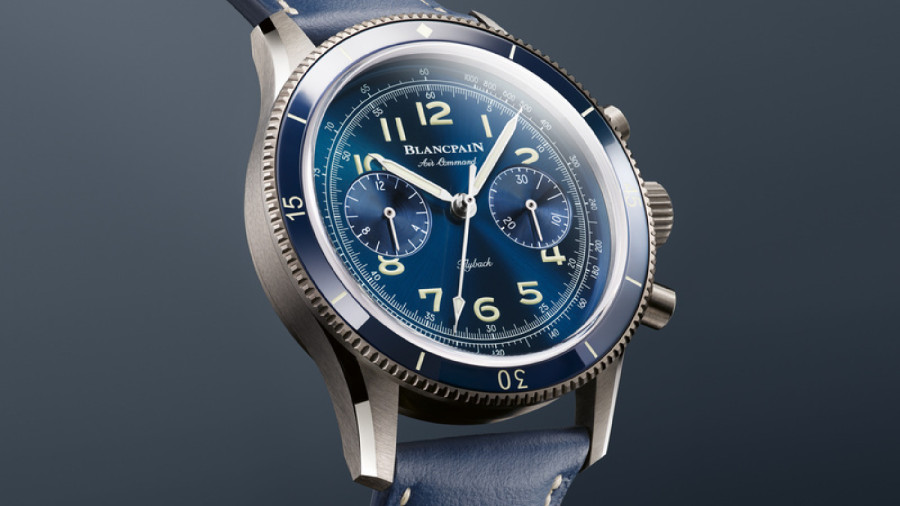
Composition: Titanium mixed with aluminum, vanadium, or other metals.
Properties: Titanium alloys offer higher strength and hardness than pure titanium, with excellent corrosion resistance. They are less shiny, often requiring sandblasting or matte finishes.
Applications: Common in high-performance watches, like those used in aerospace-inspired designs.
Pros: Lightweight, durable, corrosion-resistant.
Cons: Dull appearance, complex to process.
Fun Fact: Titanium alloys are used in aerospace due to their strength-to-weight ratio.

8. Tungsten Steel (Hard Alloy)
Composition: Tungsten carbide combined with other metals.
Properties: Known as “tungsten steel,” this material has exceptional hardness (~800-1000 Vickers) and a glossy, mirror-like finish. It’s highly scratch-resistant.
Applications: Used in watch bezels, bracelets, or case accents for added durability and style.
Pros: Extremely durable, scratch-resistant, stylish.
Cons: Brittle under extreme impact, heavier than titanium.
Fun Fact: Tungsten steel is often used in tool manufacturing due to its toughness.

9. High-Tech Ceramic
Composition: Zirconium oxide or titanium carbide, sintered at 1450°C.
Properties: High-tech ceramic is lightweight, scratch-resistant, and hypoallergenic. Its smooth, glossy finish adds a modern aesthetic.
Applications: Used in luxury watches by brands like Rado and Chanel for cases and bracelets.
Pros: Scratch-resistant, lightweight, hypoallergenic.
Cons: Brittle under high impact, high production cost.
Fun Fact: Ceramic watches can be colored through specialized processes for vibrant designs.

10. High-Tech Lanthanum
Composition: Rare earth element lanthanum, processed under high temperature and pressure.
Properties: Lanthanum offers superior hardness and a mysterious, reflective sheen. It’s more durable than ceramics and tungsten alloys.
Applications: Found in avant-garde, high-tech watch designs for a futuristic appeal.
Pros: Ultra-durable, unique aesthetic, corrosion-resistant.
Cons: Extremely rare, high cost.
Fun Fact: Lanthanum’s rarity makes it a favorite for exclusive, limited-edition watches.
11. Tantalum
Composition: Pure tantalum, a rare metal.
Properties: Tantalum is exceptionally corrosion-resistant and hypoallergenic, with a Vickers hardness of ~200-250. Its bluish-gray hue offers a distinctive look.
Applications: Used in high-end watches, often for its biocompatibility and unique color.
Pros: Corrosion-resistant, hypoallergenic, durable.
Cons: Rare and expensive, heavier than titanium.
Fun Fact: Tantalum is also used in medical implants due to its biocompatibility.

Comparison of Precious Metal Watch Case Materials
To help you choose the right material, here’s a comparison of key properties:
Material | Hardness (Vickers) | Corrosion Resistance | Weight | Cost |
|---|---|---|---|---|
18K Gold | 150-200 | High | Heavy | High |
18K Rose Gold | 150-200 | High | Heavy | High |
18K White Gold | 150-200 | High | Heavy | High |
Platinum | ~150 | Outstanding | Heavy | Very High |
Stainless Steel | 200-250 | Excellent | Medium | Low |
Titanium | 300-350 | Excellent | Light | Medium |
Titanium Alloy | 350-400 | Excellent | Light | Medium |
Tungsten Steel | 800-1000 | High | Heavy | Medium |
High-Tech Ceramic | 1200-1500 | Excellent | Light | High |
High-Tech Lanthanum | 1000-1200 | Outstanding | Medium | Very High |
Tantalum | 200-250 | Outstanding | Heavy | High |
Note: Hardness values are approximate and depend on specific alloys and treatments.
Frequently Asked Questions
Which precious metal is the most durable for watch cases?
Titanium, titanium alloys, and high-tech ceramics are among the most durable due to their high hardness and corrosion resistance. Tantalum also excels for its toughness.
Is 18K gold worth the investment for a watch case?
18K gold offers a luxurious aesthetic and good corrosion resistance, ideal for high-end timepieces. However, it requires careful maintenance to avoid scratches.
Why choose tantalum for a watch case?
Tantalum’s rarity, corrosion resistance, and hypoallergenic properties make it a premium choice for unique, durable watches.
Are ceramic watches prone to breaking?
While high-tech ceramics are highly scratch-resistant, they can be brittle under extreme impact. Proper care ensures longevity.
Conclusion
Choosing the right watch case material is crucial for balancing style, durability, and value. From the timeless elegance of 18K gold to the cutting-edge durability of high-tech lanthanum, each material offers unique benefits for luxury timepieces. At Romlicen, we specialize in crafting custom watches using these premium materials to suit your vision. Ready to create your dream timepiece?