

Watch case engraving is a critical process in watch manufacturing, adding both aesthetic appeal and functional markings like brand logos, serial numbers, or intricate patterns to metal case backs. With various techniques available, choosing the right one depends on factors like precision, cost, environmental impact, and design requirements. In this guide, we explore six common engraving methods—chemical etching, electrochemical etching, laser etching, laser marking, corrosion processing, and hydraulic embossing—detailing their processes, advantages, disadvantages, and applications.
Chemical Etching
Process: Chemical etching involves applying a strong acid or alkaline solution to unprotected areas of the metal surface, dissolving the material to create patterns or text. A protective mask is used to shield areas that should remain untouched.
Advantages:
- Flexible etching depth, suitable for both shallow and deep engravings.
- Fast processing speed, ideal for high-volume production.
- Capable of handling complex patterns.
Disadvantages:
- Significant environmental pollution due to hazardous chemicals.
- Etching solutions are difficult to recycle.
- Potential health risks to operators due to chemical exposure.
Applications: Commonly used for intricate designs requiring deeper engravings, such as detailed logos on watch case backs. However, its environmental impact makes it less favorable for eco-conscious manufacturers.

Electrochemical Etching
Process: Electrochemical etching uses the watch case as an anode in an electrolyte solution. When an electric current is applied, the anode dissolves, creating the desired pattern. This method relies on controlled electrical reactions rather than harsh chemicals.
Advantages:
- Environmentally friendly with minimal pollution.
- Safe for operators, reducing health risks.
- Suitable for small-scale, precise engravings.
Disadvantages:
- Limited etching depth, less suitable for deep patterns.
- Uneven current distribution in large-area etching, making depth control challenging.
Applications: Ideal for eco-friendly watch manufacturers or scenarios requiring small, precise markings, such as serial numbers or minimalist designs.
Laser Etching
Process: Laser etching employs a focused laser beam to remove thin layers of material, creating shallow grooves or raised patterns. It offers high precision and clean edges, as noted in industry sources like HPRT’s guide on laser processing.
Advantages:
- Clean, linear edges with no side erosion.
- High precision for intricate designs.
- Suitable for various materials, including metals and alloys.
Disadvantages:
- High equipment costs, often double that of chemical etching.
- Requires skilled operation and maintenance.
Applications: Widely used in high-end watch manufacturing and industries like printed circuit boards, where precision is critical. It’s perfect for detailed engravings on premium watch case backs.
Laser Marking
Process: Also known as fiber laser marking, this non-contact method uses a laser to alter the surface properties of the material (e.g., through discoloration or melting) to create permanent marks like text, barcodes, or logos.
Advantages:
- Fast processing and low operational costs.
- Versatile, applicable to metals, wood, and other materials.
- Minimal material removal, preserving surface integrity.
Disadvantages:
- Shallow marking depth, which may fade over time.
- Less suitable for applications requiring deep, tactile engravings.
Applications: Common in low-end watches or products where quick, cost-effective marking is needed, such as batch numbers or simple brand logos.

Corrosion Processing
Process: This method combines multiple steps: spraying a protective coating, using a laser to remove coating in desired areas, applying chemical corrosion to achieve a depth of about 0.20mm, and cleaning the surface. It creates visually appealing textures but requires precise execution.
Advantages:
- Produces attractive, textured patterns.
- Suitable for decorative engravings with moderate depth.
Disadvantages:
- Complex process with multiple steps, increasing production time.
- Risk of uneven edges (known as “dog teeth” in the industry) if not executed properly.
Applications: Used for decorative watch case backs where aesthetic appeal is a priority, such as in mid-range watches with unique textures.
Hydraulic Embossing
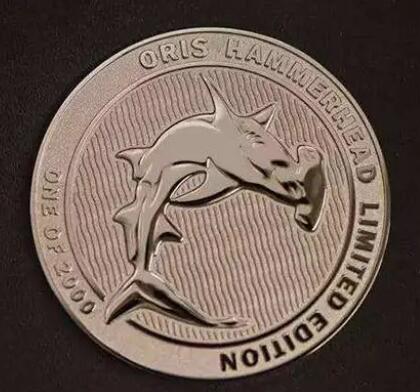
Process: Hydraulic embossing involves creating a mold of the desired pattern, heating the metal blank, and using a hydraulic press to form raised, three-dimensional designs. This method delivers a bold, tactile effect.
Advantages:
- Exceptional 3D effect, enhancing visual and tactile appeal.
- Ideal for bold, prominent designs.
Disadvantages:
- Long production cycles due to mold creation and heating processes.
- Unsuitable for highly intricate patterns, as fine details may not withstand the pressure.
Applications: Preferred for high-end watches where a premium, embossed look is desired, such as brand emblems or signature designs.
Choosing the Right Engraving Technique
Selecting the appropriate engraving method depends on several factors:
- Budget: Laser etching and hydraulic embossing involve higher costs due to equipment and mold requirements, while laser marking and chemical etching are more cost-effective.
- Environmental Impact: Electrochemical etching is the most eco-friendly, while chemical etching poses environmental challenges.
- Design Needs: For intricate, high-precision designs, laser etching excels. For bold, 3D effects, hydraulic embossing is ideal.
- Market Positioning: Low-end watches may opt for laser marking for cost efficiency, while luxury watches benefit from laser etching or hydraulic embossing for premium appeal.
Manufacturers should also consider production efficiency, equipment compatibility, and industry standards to balance quality and cost. For instance, laser-based methods like etching and marking offer precision and speed, making them popular in modern watchmaking.
Conclusion
Each watch case engraving technique offers unique benefits and trade-offs. Chemical etching provides depth and speed but at an environmental cost. Electrochemical etching prioritizes sustainability but limits depth. Laser etching and marking deliver precision and versatility, while corrosion processing and hydraulic embossing enhance aesthetic appeal with textured or 3D effects. By understanding these methods, manufacturers can make informed decisions to elevate their watch designs.
At Romlicen, we specialize in OEM and ODM watch manufacturing, offering tailored solutions to meet your engraving needs. Contact us today to explore how we can bring your watch designs to life with the perfect engraving technique.


