

Introduction
Finding the perfect watch strap can transform your timepiece, blending style, comfort, and functionality. Whether you’re a watch enthusiast replacing a worn-out strap, upgrading for a fresh look, or tailoring it for daily wear, understanding lug width and wrist measurements is essential for a flawless fit. For individuals, this ensures all-day comfort and personal style expression, while for businesses involved in watch customization, it streamlines production processes and meets client specifications effectively.
This beginner’s guide simplifies the process of selecting the ideal watch strap. From measuring your watch’s lug width to determining the right strap length for your wrist, we’ll provide practical tips and expert advice to address both personal preferences and professional customization needs.
Ready to dive in? Let’s explore how precise measurements can elevate your watch experience, whether for everyday use or large-scale manufacturing.
What do Watch Measurements Mean?
Understanding watch measurements is the foundation of choosing the right strap. Two key measurements—case diameter and lug width—determine how a strap fits both your watch and your wrist. For individuals, these measurements ensure a comfortable and stylish fit that complements personal style. For businesses customizing watches, they are critical for ensuring consistency, compatibility, and efficiency in production.
Case Diameter
The case diameter refers to the width of the watch case, excluding the crown or pushers. Typically measured in millimeters, it ranges from compact 26mm designs to larger 42mm or more, with 38-42mm being popular for modern watches. For personal use, smaller diameters suit slimmer wrists or vintage styles, while larger ones offer a bold, contemporary look. For manufacturers, knowing the case diameter helps design straps that balance proportions and meet market trends.

Lug Width
Lug width is the distance between the lugs—the protrusions on the watch case where the strap attaches. This measurement, usually between 16mm and 24mm (with 18mm, 20mm, and 22mm being most common), dictates the strap size you need. Individuals must match the lug width exactly for a secure and aesthetic fit. Businesses rely on precise lug width specifications to produce straps compatible with specific watch models, ensuring scalability and customer satisfaction.
By grasping these measurements, you can make informed choices, whether you’re selecting a strap for daily wear or designing for large-scale production.

How to Measure Your Watch and Wrist
Now that you understand the basics of watch measurements, the next step is learning how to take accurate readings. Precise measurements prevent ill-fitting straps and save time—whether you’re an individual seeking a custom look or a business ensuring batch consistency. For personal use, this means a strap that feels just right on your wrist; for manufacturers, it guarantees compatibility across prototypes and production runs. We’ll cover measuring lug width, wrist circumference, and strap length, using simple tools like a ruler, caliper, or tape measure.
Measuring Lug Width
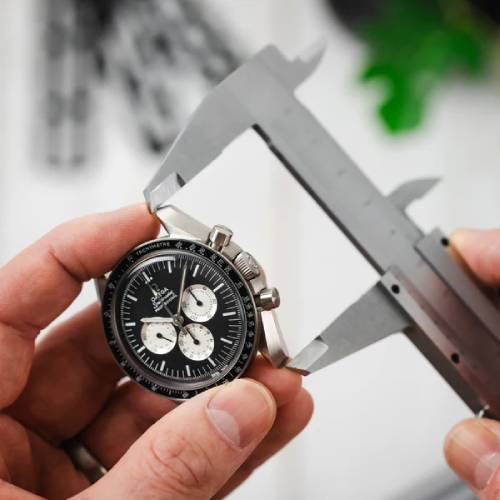
Lug width is the most critical measurement for strap compatibility. Start by examining your current strap: many have the size imprinted on the underside (e.g., “20” for 20mm). If not, use a ruler or digital caliper to measure the internal distance between the lugs—the metal protrusions on the watch case where the strap attaches. Insert the tool snugly between the lugs and read the millimeter value. For vintage or non-standard watches, round up slightly (e.g., 21.5mm to 22mm) for a tighter fit, as straps can flex. Individuals can do this at home for quick swaps; businesses often use digital calipers for repeatable accuracy in design specs.
Measuring Wrist Size
To ensure comfort, wrap a flexible tape measure or string around your wrist, just above the wrist bone (where you’ll wear the watch). Keep it snug but not tight—aim for the spot where the watch naturally sits. Note the circumference in millimeters (e.g., 160-180mm for average adult wrists). If using string, mark and measure it against a ruler. For personal preferences, add 1-2cm for a looser fit or subtract for a sportier feel. Manufacturers factor in wrist data for ergonomic designs, often specifying ranges like short (for 140-160mm wrists) or long (180mm+) to accommodate diverse markets.
Determining Strap Length
Strap length is typically split into two segments: the longer side (for wrapping around the wrist) and the shorter side (with the buckle). Add your wrist circumference to the lug-to-lug distance (the total span from one lug end to the other, measured across the case top) and subtract about 10-15mm for the buckle overlap. Standard lengths range from 110/70mm to 120/80mm. For adjustable straps like NATO or mesh, this is less rigid. Individuals can test with existing straps; for production, calculate based on average wrist sizes to minimize returns.
With these steps, you’re equipped to select or specify the perfect strap. Practice on your own watch to build confidence, and remember: accuracy here leads to better wearability and efficiency.

Practical Tips for Choosing the Right Strap
Selecting the right watch strap involves more than just measurements—it’s about balancing style, comfort, and functionality to suit your needs. For individuals, the perfect strap enhances daily wear, reflecting personal taste and ensuring comfort. For businesses customizing watches, choosing straps that align with brand aesthetics and production goals is crucial for market success. Here are practical tips to guide both personal choices and professional specifications, covering material selection, style considerations, and practical adjustments.
Choose the Right Material
Strap materials define both look and feel. Leather straps offer a classic, elegant vibe, ideal for formal occasions or dress watches, but require care to avoid wear in humid conditions. Nylon or NATO straps are durable and versatile, perfect for casual or sporty looks, and often adjustable for various wrist sizes. Rubber straps excel in water resistance, making them great for diving or active lifestyles. Metal mesh or bracelets add a sleek, modern touch but may feel heavier. For individuals, consider your daily activities—leather for office settings, rubber for sports. For manufacturers, evaluate material durability and cost to meet target markets, like lightweight nylon for budget lines or premium leather for luxury brands.
Match Style to Watch and Occasion
The strap should complement your watch’s design and intended use. A sleek dress watch pairs best with a slim leather strap (18-20mm) for a refined look, while a rugged chronograph suits wider nylon or rubber straps (22-24mm). Consider color coordination—neutral tones like black or brown are versatile, while bold colors like red add personality. For personal use, experiment with interchangeable straps to refresh your watch’s style. Businesses should align strap styles with brand identity, ensuring consistency across collections, such as minimalist straps for modern designs or vintage-inspired leather for heritage models.
Ensure Comfort and Adjustability
Comfort is key for daily wear. Straps should feel secure but not tight, with enough holes or adjustment points to fit your wrist perfectly. Perlon or NATO straps offer flexibility with sliding buckles, ideal for fluctuating wrist sizes. For sensitive skin, choose hypoallergenic materials like silicone or high-quality leather to avoid irritation. Individuals can test straps by wearing them for a day to check comfort. Manufacturers should prioritize adjustable designs to reduce sizing issues, especially for global markets with diverse wrist sizes, and test prototypes for long-term wearability.
Consider Practical Features
Look for straps with practical features like quick-release spring bars for easy swapping, especially useful for individuals who change styles often. Water-resistant or sweat-resistant coatings are a plus for active users. For businesses, focus on scalability—standardized sizes (e.g., 20mm or 22mm) simplify production, while unique features like embossed logos or custom stitching can differentiate premium products. Always double-check lug width compatibility to avoid fitting issues.
These tips will help you choose a strap that enhances your watch’s appeal and functionality. Whether you’re styling a personal timepiece or designing for a broader audience, thoughtful choices lead to better experiences and outcomes.
Frequently Asked Questions
To wrap up this guide, let’s address some common questions about choosing and measuring watch straps. These answers aim to clarify doubts for individuals seeking the perfect strap for daily wear and for businesses designing or sourcing straps for production. Whether you’re a watch enthusiast or a manufacturer, these FAQs provide quick insights to ensure confidence in your strap selection process.
What is the most common lug width for watches?
The most common lug widths are 18mm, 20mm, and 22mm, though sizes range from 16mm to 24mm depending on the watch. Dress watches often use 18-20mm for a sleek look, while sports or dive watches lean toward 22-24mm for durability. Individuals should check their watch’s lug width for a precise fit. Businesses can standardize on these sizes to streamline production and appeal to broad markets.
How do I know if a strap will fit my wrist comfortably?
Measure your wrist circumference (typically 140-200mm) and choose a strap length that allows slight adjustability—about 10-15mm longer than your wrist size for buckle straps. Test the strap for a snug but not tight fit. For personal use, adjustable straps like NATO or mesh are forgiving. Manufacturers should offer multiple length options (e.g., short: 110/70mm, long: 120/80mm) to accommodate diverse wrist sizes and reduce returns.
Can I use any strap material with any watch?
While most straps are interchangeable if the lug width matches, the material should suit the watch’s style and use. Leather complements dress watches, while rubber or nylon suits active or casual styles. Individuals can experiment with materials to refresh a watch’s look. Businesses should consider material durability and cost—leather for premium lines, nylon for budget-friendly options—to align with brand goals.
How do I avoid skin irritation from watch straps?
Choose hypoallergenic materials like silicone, high-quality leather, or Perlon, especially for sensitive skin. Ensure the strap is clean and avoid overly tight fits to prevent irritation. For personal wear, test new straps for a day. Manufacturers can prioritize breathable materials and smooth finishes in production to enhance wearer comfort across large batches.
What tools do I need to measure my watch accurately?
A ruler or digital caliper works for lug width (measuring between lugs), while a flexible tape measure or string is ideal for wrist circumference. Individuals can use household items for quick checks. Businesses may invest in precise calipers for consistent measurements in design and quality control.
These answers should guide your next steps in choosing or designing the perfect strap. With accurate measurements and thoughtful choices, you’re ready to enhance your watch’s style, comfort, or production efficiency.
Conclusion
Choosing the right watch strap is all about precision and purpose. By understanding case diameter, lug width, and wrist measurements, you can select a strap that enhances comfort and style for daily wear or ensures consistency in large-scale watch customization. Whether you’re an individual aiming to refresh your timepiece or a business designing for diverse markets, accurate measurements and thoughtful material choices are key. Use a ruler or caliper for lug width, measure your wrist for fit, and pick a strap that aligns with your style or production goals. Apply these insights to elevate your watch experience, and enjoy the perfect blend of form and function.


