

Introduction
Launching a watch brand is an exciting journey, but one critical decision can shape your success: choosing between OEM (Original Equipment Manufacturing) and ODM (Original Design Manufacturing). These two models define how your timepieces are designed and produced, impacting everything from costs to brand identity. At Romlicen, a leading OEM and ODM watch manufacturer, we understand the nuances of both approaches. This guide dives deep into the differences between OEM and ODM watch manufacturing, helping you make an informed choice for your brand.
Understanding OEM Watch Manufacturing
What is OEM?
OEM, or Original Equipment Manufacturing, refers to a process where a manufacturer produces watches based on a client’s unique design and specifications. The client provides detailed blueprints, including aesthetics, materials, and technical requirements, while the manufacturer handles production.
The OEM Process
- Design Submission: The client submits a complete watch design, including sketches, CAD files, or prototypes.
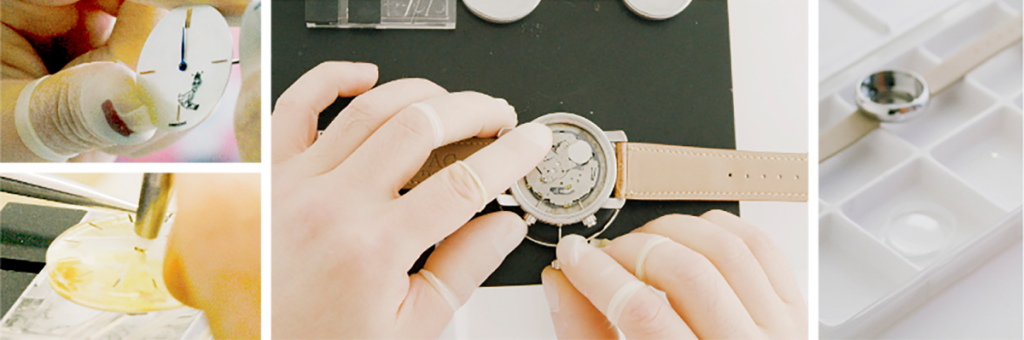
- Production: The manufacturer builds the watches to match the client’s specifications, ensuring precision and quality.
- Branding: The client brands and markets the final product under their name.
Advantages of OEM
- Complete Design Control: OEM allows brands to create entirely unique watches that reflect their vision, from case shape to dial details.
- Brand Exclusivity: Perfect for established brands aiming to stand out with proprietary designs.
- High Customization: Every element, from materials to movements, can be tailored to your brand’s standards.
Challenges of OEM
- Higher Upfront Costs: Designing a watch from scratch requires investment in design resources, prototyping, and testing.
- Longer Timelines: The design and approval process can extend production timelines, delaying market entry.
- Design Expertise Needed: Brands must have in-house design capabilities or hire external designers, adding complexity.
Example: A luxury brand like Rolex often uses OEM to create iconic, proprietary designs that are instantly recognizable.
Understanding ODM Watch Manufacturing
What is ODM?
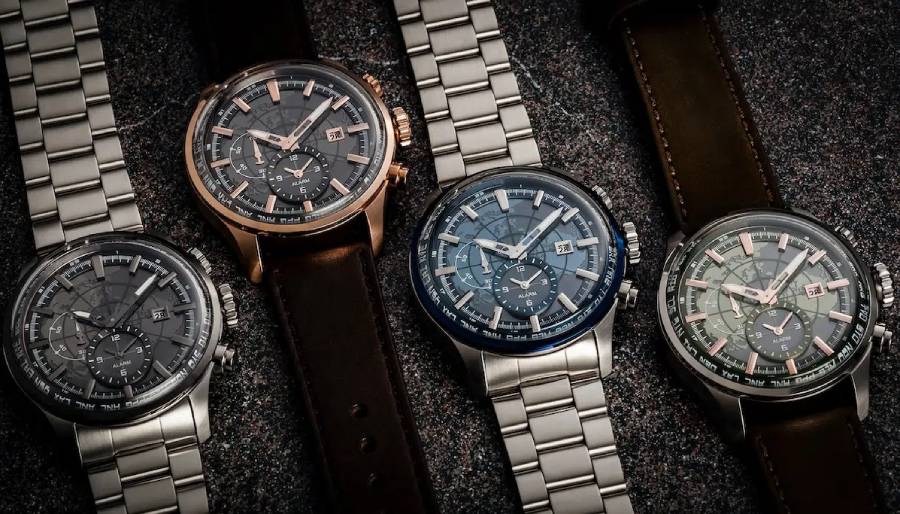
ODM, or Original Design Manufacturing, involves a manufacturer designing and producing watches that clients can customize and brand. The manufacturer provides a catalog of pre-existing designs, which clients can modify with logos, colors, or minor tweaks.
The ODM Process
- Design Selection: The client chooses a design from the manufacturer’s portfolio.
- Customization: The client specifies branding elements, such as logos or strap materials, within the design’s constraints.
- Production and Branding: The manufacturer produces the watches, and the client markets them under their brand.
Advantages of ODM
- Faster Market Entry: Pre-existing designs eliminate the need for lengthy design phases, speeding up production.
- Cost-Effective: Lower upfront costs make ODM ideal for startups or brands with limited budgets.
- Simplified Process: Minimal design expertise is required, as the manufacturer handles most creative decisions.
Challenges of ODM
- Limited Uniqueness: Designs may resemble other brands’ watches, reducing exclusivity.
- Restricted Customization: Modifications are often limited to surface-level changes, like logos or colors.
- Dependence on Manufacturer: The quality and innovation of the design depend on the manufacturer’s expertise.
Example: Many entry-level watch brands use ODM to quickly launch affordable collections with customized branding.
OEM vs. ODM: A Side-by-Side Comparison
Feature | OEM | ODM |
|---|---|---|
Design Ownership | Client creates the design | Manufacturer provides the design |
Cost | Higher due to design investment | Lower, leveraging existing designs |
Time-to-Market | Slower, due to design phase | Faster, with ready-made designs |
Brand Uniqueness | Highly unique and exclusive | May lack distinctiveness |
Best For | Established brands with vision | Startups or budget-conscious brands |
Key Differences Explained
- Design Control: OEM gives brands full control over every detail, ideal for creating iconic, one-of-a-kind watches. ODM relies on the manufacturer’s designs, offering limited customization.
- Cost and Time: OEM requires significant upfront investment and time for design development, while ODM is faster and more affordable due to pre-existing templates.
- Brand Identity: OEM suits brands prioritizing uniqueness, while ODM is better for those needing quick, cost-effective solutions.
- Scalability: OEM is ideal for long-term brand-building, while ODM supports rapid scaling for new market entrants.
How to Choose Between OEM and ODM?
Selecting the right manufacturing model depends on your brand’s goals, resources, and timeline. Here’s a decision framework to guide you:
- Assess Your Brand Vision
- If your brand thrives on unique, proprietary designs (e.g., a luxury or niche watchmaker), OEM is the better choice.
- If you’re entering the market quickly or testing a concept, ODM’s ready-made designs are more practical.
- Evaluate Your Budget
- OEM requires investment in design, prototyping, and testing, which can be costly.
- ODM minimizes upfront costs, making it ideal for startups or brands with limited funds.
- Consider Your Timeline
- Need to launch within months? ODM’s streamlined process gets you to market faster.
- Willing to invest time for a bespoke product? OEM ensures a tailored result.
- Check Your Design Capabilities
- Have an in-house design team or access to designers? OEM leverages your creative expertise.
- Lack design resources? ODM lets you rely on the manufacturer’s expertise.
Pro Tip: Partner with a trusted manufacturer like Romlicen, who offers both OEM and ODM services, to guide you through the decision-making process. Contact us today to discuss your project!

Why Romlicen for OEM and ODM Watch Manufacturing?
At Romlicen, we pride ourselves on delivering world-class OEM and ODM watch manufacturing services. Here’s why brands choose us:
- Expertise: Decades of experience in crafting high-quality timepieces for global brands.
- Flexibility: Seamless support for both OEM and ODM projects, tailored to your needs.
- Quality Assurance: Rigorous quality control ensures every watch meets your standards.
- Customization: From bespoke OEM designs to customizable ODM solutions, we bring your vision to life.
Ready to start your watch brand? Explore our services and let’s create something extraordinary together.
Conclusion
Choosing between OEM and ODM watch manufacturing is a pivotal decision for your brand. OEM offers unmatched design control and exclusivity, perfect for established brands with a clear vision. ODM provides a cost-effective, fast-track solution for startups or those prioritizing speed. By understanding your brand’s needs—budget, timeline, and design goals—you can select the model that drives success. At Romlicen, we’re here to support you every step of the way, whether you choose OEM or ODM. Reach out today to start crafting your dream timepiece!


