

Introduction
Watches are more than timekeeping tools—they embody style, technology, and craftsmanship. Quartz and mechanical watches dominate the market, each offering distinct advantages. But what sets them apart, and which is right for you? As a leading OEM and ODM watch manufacturer, Romlicen dives deep into their mechanics, history, and differences to help you choose the perfect timepiece. Whether you’re a casual wearer or a watch enthusiast, this guide provides clarity on quartz vs. mechanical watches.
How Quartz Watches Work
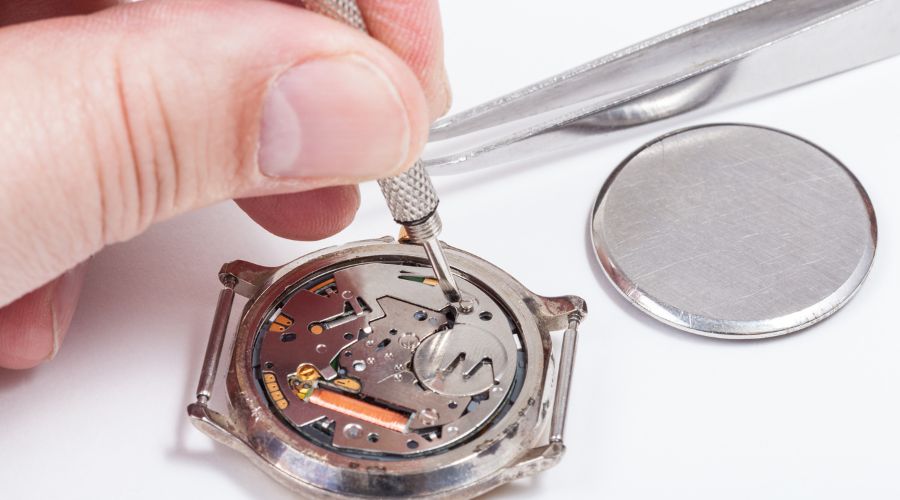
Quartz watches are marvels of modern technology, relying on a battery-powered quartz crystal to keep time. The crystal, cut into a tuning fork shape, vibrates at a precise 32,768 Hz when an electric current passes through it—a phenomenon known as the piezoelectric effect. An integrated circuit converts these vibrations into regular pulses, driving a stepper motor to move the watch hands or power a digital display. Advanced quartz movements, like those in Romlicen’s custom designs, incorporate temperature compensation to maintain accuracy in varying conditions, achieving precision within ±10-15 seconds per month.
Key Features of Quartz Watches:
- Unmatched Accuracy: Loses or gains just seconds per month, ideal for daily wear.
- Low Maintenance: Requires only battery replacements every 1-2 years.
- Affordability: Prices range from $50 to $500, making them accessible to all.
- Versatility: Sleek designs suit modern lifestyles, from sports to business.
How Mechanical Watches Work
Mechanical watches are a testament to traditional horology, powered by a tightly wound mainspring. The spring releases energy gradually, driving a series of gears in the gear train. An escapement mechanism—such as the lever escapement or modern co-axial escapement—regulates this energy, ensuring steady timekeeping. The balance wheel oscillates to maintain rhythm, moving the watch hands. Mechanical watches come in two types:
- Manual Wind: Requires daily winding by turning the crown.
- Automatic: Features a rotor that winds the mainspring through wrist movements.
Key Features of Mechanical Watches:
- Craftsmanship: Intricate designs showcase centuries-old watchmaking artistry.
- Complex Functions: Support complications like chronographs, moon phases, or tourbillons.
- Longevity: With proper care, mechanical watches can last generations.
- Heritage Appeal: Prized by collectors for their mechanical intricacy.

A Brief History of Quartz and Mechanical Watches
Mechanical watches trace their roots to the 14th century, with early clockwork designs evolving into precise pocket watches by the 19th century. The 1970s introduced the quartz revolution, when brands like Seiko launched battery-powered watches that offered superior accuracy at lower costs. This “quartz crisis” disrupted traditional watchmakers, forcing innovation in mechanical designs. Today, quartz watches dominate for practicality, while mechanical watches thrive among enthusiasts and collectors. Romlicen bridges both worlds, crafting custom timepieces that blend modern precision with classic artistry.
Key Differences Between Quartz and Mechanical Watches
To help you decide, here’s a detailed comparison:
Feature | Quartz Watches | Mechanical Watches |
|---|---|---|
Power Source | Battery | Mainspring (manual or automatic) |
Accuracy | ±15 seconds/month | ±10-30 seconds/day |
Maintenance | Battery replacement (1-2 years) | Servicing every 3-5 years |
Price Range | $50-$500 | $200-$10,000+ |
Environmental Impact | Battery disposal concerns | Sustainable with proper care |
Complications | Basic (e.g., date, stopwatch) | Advanced (e.g., tourbillon, perpetual calendar) |
Aesthetic Appeal | Modern, minimalist designs | Classic, intricate craftsmanship |
Collectible Value | Limited | High, especially for luxury models |
Quartz watches excel in precision and affordability, while mechanical watches offer unmatched artistry and heritage.
How to Choose the Right Watch for You
Choosing between quartz and mechanical watches depends on your needs:
- For Everyday Reliability: Quartz watches are ideal for professionals, students, or anyone needing low-maintenance accuracy. Romlicen’s custom quartz watches combine durability with sleek designs.
- For Collectors and Enthusiasts: Mechanical watches appeal to those who value tradition and craftsmanship. Their intricate movements make them heirlooms.
- For Unique Style: Romlicen specializes in bespoke watches. For example, we crafted a limited-edition automatic watch for a client’s brand launch, featuring a hand-engraved dial and sapphire crystal, blending elegance with durability.
Consider your budget, lifestyle, and aesthetic preferences. Contact Romlicen to design a custom watch tailored to you.
Why Choose Romlicen for Your Timepiece?
As a leading OEM and ODM watch manufacturer, Romlicen combines innovation with tradition. Our quartz watches use cutting-edge movements for precision, while our mechanical watches feature bespoke designs with premium materials like 316L stainless steel and anti-reflective sapphire crystals. Our customization process ensures every detail—from dial design to strap material—reflects your vision. Whether you’re a brand seeking OEM solutions or an individual wanting a unique timepiece, Romlicen delivers quality and style. Explore our customization services.
Common Myths and FAQs
Myth: Quartz watches are always low-end.
Fact: High-end quartz watches, like those from Romlicen, use advanced movements and premium materials, rivaling mechanical watches in quality.
FAQ:
- How long does a quartz watch battery last? Typically 1-2 years, depending on the model and usage.
- How often should I service my mechanical watch? Every 3-5 years to ensure optimal performance.
- Can Romlicen create hybrid watches? Yes, we can integrate quartz and mechanical elements for unique designs.
Conclusion
Quartz and mechanical watches cater to different needs: quartz for precision and affordability, mechanical for artistry and heritage. At Romlicen, we craft both with unparalleled expertise, offering custom solutions for every style and budget. Ready to create your dream timepiece? Contact Romlicen today to start your bespoke watch journey!


