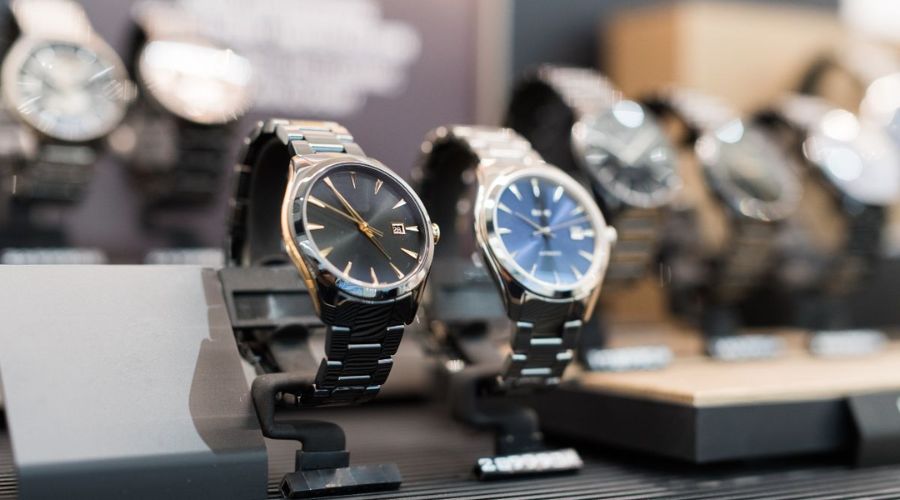
In the world of watch enthusiasts and budget-conscious buyers, terms like “replica watches” and “high-imitation watches” often spark curiosity and confusion. While both are non-original timepieces designed to resemble luxury watches, the differences between them are vast—in quality, craftsmanship, and overall experience. This article explores the distinctions between replica and high-imitation watches, helping you make an informed decision when navigating this complex market.
What Are High-Imitation Watches?
High-imitation watches, often referred to as “fakes” or “knockoffs,” are low-cost imitations of luxury timepieces. Their primary goal is to mimic the appearance of high-end brands like Rolex, Omega, or Patek Philippe at a fraction of the price. However, their focus is solely on superficial resemblance, often sacrificing quality, durability, and functionality.
Characteristics of High-Imitation Watches
- Basic Aesthetics: High-imitation watches may look similar to the original from a distance, but closer inspection reveals flaws. Expect misaligned logos, blurry engravings, uneven bezels, and poorly printed dials.
- Low-Grade Materials: These watches typically use cheap alloys, low-quality plating that fades over time, and mineral glass instead of scratch-resistant sapphire crystal.
- Subpar Movements: Most high-imitation watches are powered by basic quartz or low-end mechanical movements. These offer poor accuracy, high failure rates, and loud ticking noises.
- Non-Functional Features: Complex functions like chronographs, moon phases, or date magnifiers are often decorative, lacking actual functionality.
- Poor Craftsmanship: Loose straps, flimsy clasps, and minimal water resistance are common. Night-luminous coatings may be weak or absent.
High-imitation watches are mass-produced in low-cost facilities, targeting buyers seeking a quick, affordable way to emulate luxury without regard for longevity or precision.
What Are Replica Watches?
Replica watches represent a higher tier of imitation, crafted with precision to closely mirror the original timepiece in both appearance and performance. These are not mere knockoffs but rather meticulously engineered products designed to replicate the look, feel, and functionality of luxury watches.
Characteristics of Replica Watches
- Near-Perfect Aesthetics: Replicas are crafted with extreme attention to detail. From the font on the dial to the weight of the case, every element—from bezel engravings to luminous markers—is designed to match the original.
- Premium Materials: High-quality replicas use materials like 316L or 904L stainless steel (common in luxury brands like Rolex), sapphire crystal glass, and durable straps made of leather or rubber, ensuring a premium feel and longevity.
- Advanced Movements: Replicas often feature cloned or customized movements, such as those based on ETA, Sea-Gull, or proprietary designs. These movements offer high accuracy, stability, and sometimes even chronometer-grade performance.
- Functional Features: Unlike high-imitation watches, replicas ensure that complex functions like chronographs, GMT indicators, or power reserve displays work as intended, closely mimicking the original’s operation.
- Superior Craftsmanship: Replicas undergo rigorous quality control, with CNC-machined cases, polished finishes, and seamless assembly, offering a near-luxury experience.
Replicas cater to buyers who want a high-quality alternative to luxury watches without the exorbitant price tag, balancing affordability with craftsmanship.
Key Differences Between Replica and High-Imitation Watches
To better understand the divide, let’s break down the core differences:
1. Craftsmanship and Attention to Detail
- High-Imitation: Minimal effort in replicating fine details. Misaligned markers, rough edges, and sloppy engravings are common, making them easily identifiable as fakes.
- Replica: Painstaking attention to detail, with near-identical aesthetics, including precise logo placement, polished finishes, and uniform lume application.
2. Material Quality
- High-Imitation: Uses low-cost materials like lightweight alloys or plastic-like coatings, leading to quick wear, discoloration, or damage.
- Replica: Employs high-grade materials like stainless steel, sapphire crystal, and premium leather or rubber, closely matching the original’s weight and durability.
3. Movement Quality
- High-Imitation: Relies on cheap quartz or basic mechanical movements with poor accuracy and short lifespans.
- Replica: Features advanced, often custom-made movements that rival entry-level luxury watches in precision and reliability.
4. Price Point
- High-Imitation: Priced from $10 to $100, appealing to those prioritizing cost over quality.
- Replica: Ranges from $200 to over $1,000, reflecting the investment in materials, craftsmanship, and technology.
5. Target Audience
- High-Imitation: Aimed at casual buyers seeking a temporary status symbol with minimal investment.
- Replica: Targets watch enthusiasts who value quality, functionality, and a near-authentic experience on a budget.
How to Spot the Difference
Distinguishing between a high-imitation and a replica watch requires a keen eye and some knowledge. Here are practical tips:
- Examine the Details: Check the logo, text, and engravings for clarity and precision. Replicas have sharp, clean fonts, while high-imitations often show smudged or uneven printing.
- Feel the Weight: Replicas, made with denser materials, feel substantial, while high-imitations are often lightweight and flimsy.
- Test the Movement: Gently shake a mechanical watch to feel the rotor. A replica’s rotor moves smoothly with a subtle sound, while high-imitations may produce loud, irregular noises.
- Inspect the Glass: Sapphire crystal (used in replicas) is highly transparent with minimal glare, while high-imitation watches use mineral glass that reflects more light.
- Check Functionality: Test features like chronographs or date windows. Replicas will have smooth, functional operations, while high-imitations may have stuck or non-working parts.
Buying Tips and Considerations
Whether you’re considering a high-imitation or replica watch, here are some guidelines to ensure a smart purchase:
- Define Your Needs: If you want a cheap, temporary accessory, a high-imitation watch may suffice. For a durable, high-quality alternative, opt for a replica.
- Choose Reputable Sellers: Avoid unreliable marketplaces or street vendors. Seek trusted private channels, enthusiast forums, or sellers with verifiable reviews.
- Understand the Risks: Both high-imitation and replica watches may infringe on brand trademarks, carrying legal and ethical considerations. Be aware of local laws and the implications of supporting imitation markets.
- Set Realistic Expectations: Even the best replicas are not genuine luxury watches. They lack the brand heritage, resale value, and official warranty of originals.
Why Choose Romlicen?
At Romlicen, we understand the allure of finely crafted timepieces. As a leading OEM and ODM watch manufacturer based in China, we specialize in creating high-quality custom watches that blend style, precision, and affordability. Whether you’re seeking a unique design or a reliable timepiece inspired by luxury aesthetics, our team leverages advanced craftsmanship and premium materials to deliver exceptional products. Visit our revamped website at romlicen.com to explore our services and discover how we can bring your vision to life.