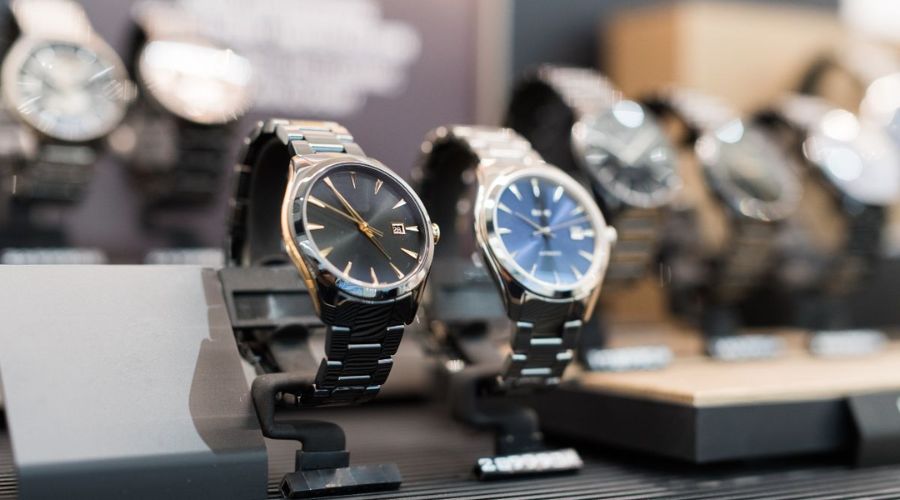
What is Electroplating in Watch Manufacturing?
Electroplating is a process that uses electrolysis to deposit a thin layer of metal or alloy onto a watch’s surface. This technique enhances the watch’s appearance, prevents oxidation (e.g., rust), and improves wear resistance, conductivity, reflectivity, and corrosion resistance. From the iconic gold and rose gold finishes to sleek silver and white coatings, electroplating plays a critical role in both aesthetics and functionality.
Why Do Watches Fade?
Watch discoloration can occur due to two main factors: wearing habits and the quality of the electroplating process. While personal wearing habits vary and are hard to control, the electroplating technique directly impacts how long a watch retains its vibrant finish. Let’s dive into the two primary electroplating methods—vacuum plating and water plating—and how they affect durability and appearance.
Vacuum Plating: The Premium Choice for Durability
Vacuum plating, an advanced and eco-friendly electroplating method, uses a low-voltage, high-vacuum environment to deposit metal or non-metal coatings. This process ensures a uniform, dense, and highly adhesive layer with excellent hardness and low friction.
Key Benefits of Vacuum Plating:
- Superior Durability: Passes 48-hour salt spray, wear, and artificial sweat tests, ensuring long-lasting performance.
- Eco-Friendly: Complies with EU ROHS standards, minimizing environmental impact and ensuring safety for workers.
- Fade Resistance: Maintains color for up to 2 years, resisting dust and fingerprints with easy cleaning.
- High Performance: Offers excellent corrosion resistance, scratch resistance, and a glossy, uniform finish.
Types of Vacuum Plating:
- In-Furnace Plating (e.g., IPG):
This method involves depositing titanium nitride (TiN) and gold (Au) in a single vacuum chamber process. The result is a tightly bonded, durable coating with excellent wear and corrosion resistance. In-furnace plating minimizes contamination, ensuring a premium finish. - Out-of-Furnace Plating:
Titanium nitride is applied in the furnace, followed by water-based gold color adjustment outside. While this method is faster and more cost-effective, it may compromise bonding strength, wear resistance, and corrosion protection compared to in-furnace plating.

Water Plating: A Cost-Effective Alternative
Water plating, a traditional electroplating method, uses an electrolytic solution where the watch component acts as the cathode and the metal to be plated serves as the anode. This process forms a metal layer at room temperature (15–40°C) without additional heat sources.
Key Features of Water Plating:
- Alloy Formation: The coating bonds with the base material to form an alloy, enhancing adhesion strength.
- Attractive Finish: Provides a glossy, uniform surface with good wear resistance.
- Cost-Effective: Lower production costs make it a budget-friendly option.
- Limitations: Water-plated coatings typically last 3–6 months before fading or peeling, especially in harsh conditions.
Vacuum Plating vs. Water Plating: Which is Better?
As a leading OEM watch manufacturer, Romlicen recommends vacuum UV plating for superior quality and longevity. Here’s why:
- Hardness: Vacuum-plated coatings achieve a hardness of 4H or higher, ensuring durability in extreme conditions, including 95% alcohol immersion tests for 48 hours without peeling.
- Longevity: Vacuum plating maintains color for up to 2 years, while water plating typically fades within 3–6 months.
- Aesthetics and Performance: Vacuum plating delivers a glossy, uniform finish with excellent scratch, corrosion, and alcohol resistance.
- Environmental Impact: Vacuum plating is a green, pollution-free process, unlike water plating, which may involve harmful chemicals.
However, water plating remains a viable option for budget-conscious projects, offering a cost-effective solution with decent aesthetics, though with shorter color retention.
How to Choose the Right Electroplating for Your Watch
When selecting an electroplating method, consider the following factors:
- Durability Needs: For premium watches requiring long-term color retention and resistance to wear, vacuum plating is the best choice.
- Budget Constraints: If cost is a priority, water plating offers a more affordable option but with reduced longevity.
- Environmental Standards: Opt for vacuum plating to align with eco-friendly manufacturing practices.
- Aesthetic Goals: Both methods deliver attractive finishes, but vacuum plating ensures a more consistent and durable shine.
Pro Tip: Beware of manufacturers cutting corners by switching to lower-quality plating methods to reduce costs. Always specify your preferred plating technique when ordering custom watches to ensure quality.
Conclusion
Choosing the right electroplating method is crucial for crafting a watch that balances style, durability, and value. Vacuum plating, particularly in-furnace methods like IPG, offers unmatched fade resistance, environmental benefits, and performance, making it ideal for premium timepieces. For budget-friendly options, water plating can still deliver attractive results, though with a shorter lifespan. At Romlicen, we specialize in high-quality vacuum UV plating to ensure your watches stand the test of time. Contact us today to create your custom masterpiece!