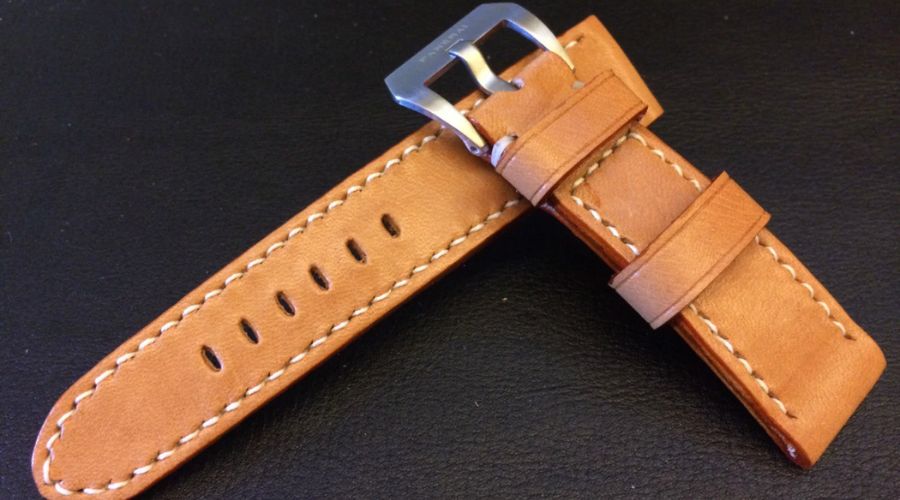
A watch bracelet is more than just a functional component that secures your timepiece to your wrist. It’s a defining element of a watch’s style, comfort, and durability. Whether you’re a watch enthusiast or someone shopping for a new timepiece, understanding watch bracelets can help you make an informed choice. In this guide, we’ll explore what a watch bracelet is, the different types, materials, and how to choose the perfect one for your needs.
What is a Watch Bracelet?
A watch bracelet is a type of watch strap typically made of metal, designed to hold a watch securely on the wrist while enhancing its aesthetic appeal. Unlike leather or fabric straps, watch bracelets are known for their durability, versatility, and ability to complement both casual and formal styles. They consist of interconnected links or mesh, often featuring a clasp or buckle for fastening.
Watch bracelets are popular for their sleek look and ability to withstand daily wear. From luxury timepieces to everyday watches, the right bracelet can elevate your watch’s appearance and functionality.
Key Features of a Watch Bracelet
- Durability: Metal bracelets are resistant to wear and tear, making them ideal for long-term use.
- Adjustability: Many bracelets allow for link removal or addition to achieve a perfect fit.
- Style Versatility: Available in various designs, from polished to brushed finishes, to suit different occasions.
- Low Maintenance: Unlike leather straps, metal bracelets are easier to clean and maintain.
Types of Watch Bracelets
There are several types of watch bracelets, each with unique designs and characteristics. Here are the most common ones:
1. Oyster Bracelet
The Oyster bracelet is a flat, three-link design known for its robustness and sporty aesthetic. Popularized by Rolex, it’s ideal for dive watches and everyday wear due to its strength and comfort.
2. Jubilee Bracelet
Featuring five smaller links, the Jubilee bracelet offers a more refined and elegant look. It’s often seen on dress watches and provides a balance of sophistication and durability.
3. Mesh Bracelet
Mesh bracelets, also known as Milanese straps, consist of tightly woven metal wires that create a flexible, lightweight band. They’re stylish and breathable, making them perfect for warm climates.
4. President Bracelet
The President bracelet, another Rolex innovation, features semi-circular three-piece links. It’s often associated with luxury watches and has a distinctive, upscale appearance.
5. Beads of Rice Bracelet
This bracelet type has small, rounded links resembling grains of rice. It’s a vintage-inspired design that adds a unique texture to the watch.

Common Materials for Watch Bracelets
The material of a watch bracelet affects its look, feel, and durability. Here are the most popular materials used:
- Stainless Steel: Affordable, corrosion-resistant, and versatile, stainless steel is the most common material for watch bracelets.
- Titanium: Lightweight and hypoallergenic, titanium is ideal for those with sensitive skin or who prefer a lighter feel.
- Gold: Used in luxury watches, gold bracelets (yellow, white, or rose) add a touch of elegance but come at a higher cost.
- Ceramic: Sleek and scratch-resistant, ceramic bracelets are gaining popularity for their modern look and durability.
- Platinum: Rare and luxurious, platinum bracelets are often found in high-end timepieces.

How to Choose the Right Watch Bracelet
Selecting the perfect watch bracelet depends on your lifestyle, preferences, and the watch’s purpose. Here are some tips to guide your decision:
- Consider Your Style: For formal occasions, opt for a Jubilee or President bracelet. For casual or sporty looks, an Oyster or mesh bracelet works well.
- Match the Watch Case: Ensure the bracelet material and finish complement the watch case for a cohesive look.
- Prioritize Comfort: If you wear your watch daily, choose a lightweight and adjustable bracelet, like titanium or mesh.
- Check Durability: For active lifestyles, stainless steel or titanium bracelets are more resistant to scratches and wear.
- Think About Maintenance: Metal bracelets are easier to clean than leather straps, making them ideal for low-maintenance wearers.

Why Choose a Watch Bracelet Over Other Straps?
While leather and fabric straps have their charm, watch bracelets offer unique advantages:
- Longevity: Metal bracelets last longer than leather or fabric, which can wear out over time.
- Versatility: They pair well with both casual and formal outfits.
- Weather Resistance: Unlike leather, metal bracelets are unaffected by moisture or sweat.
Caring for Your Watch Bracelet
To keep your watch bracelet looking its best, follow these care tips:
- Clean Regularly: Use a soft cloth and mild soapy water to remove dirt and oils. Avoid harsh chemicals.
- Polish When Needed: For scratches or dullness, professional polishing can restore the bracelet’s shine.
- Store Properly: When not in use, store your watch in a dry, cool place to prevent tarnishing.
Conclusion
A watch bracelet is more than a functional accessory—it’s a statement of style and practicality. Whether you prefer the sporty Oyster, the elegant Jubilee, or the modern mesh design, there’s a watch bracelet for every taste and occasion. By understanding the types, materials, and care tips, you can choose a bracelet that enhances your timepiece and fits your lifestyle.