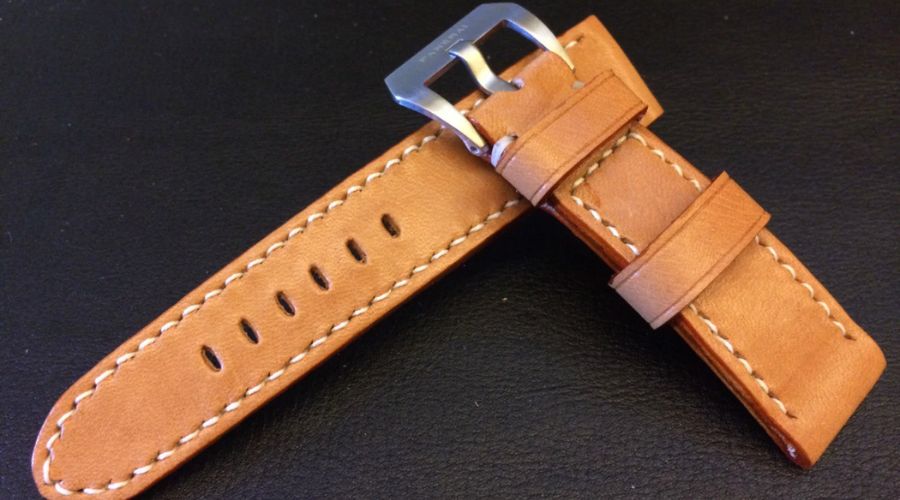
Are you a watch enthusiast dipping your toes into the world of vintage timepieces? Or perhaps you’re simply curious about the different types of watch straps beyond the standard leather or metal bands? If so, you’ve likely come across the term open-ended watch strap but aren’t quite sure what it means. Don’t worry—this guide is here to demystify it for you.
In the vast universe of watch straps, where materials range from supple calfskin to rugged NATO weaves, the open-ended watch strap stands out as a niche yet fascinating option. It’s especially popular among collectors of older watches, but its timeless appeal makes it relevant for modern custom builds too. At Romlicen, as a leading OEM/ODM custom watch manufacturer in China, we’ve crafted countless open-ended straps for clients worldwide. Let’s dive in and explore everything you need to know.
Understanding the Basics: What Exactly Is an Open-Ended Watch Strap?
At its core, an open-ended watch strap (also known as a fixed lug strap or open-end band) is designed specifically for watches with fixed lugs or fixed bars. Unlike traditional spring bar systems—where pins can be easily swapped out—fixed lugs are permanently welded or cast directly onto the watch case. This design was common in pre-1950s vintage watches, making open-ended straps the go-to solution for secure, hassle-free attachment.
Here’s how it works:
- The strap’s ends are “open,” meaning they don’t have pre-formed loops like standard bands.
- To attach it, you fold the open end over the fixed bar, creating a secure loop.
- The end is then fastened in place using methods like glue, Chicago screws, clips, split pins, or even cordette stitching for a seamless finish.
This setup ensures the strap hugs the case snugly without the need for removable hardware, preserving the watch’s original integrity. If you’re dealing with a classic Omega or Rolex from the mid-20th century, an open-ended watch strap is often your only practical choice.
For a visual, imagine slipping a belt through a fixed buckle—simple, sturdy, and built to last.
Open-Ended Watch Straps vs. Traditional Bands: Key Differences
Not all watch straps are created equal, and understanding the distinctions can save you from compatibility headaches. Here’s a quick comparison:
| Feature | Open-Ended Watch Strap | Traditional Spring Bar Strap |
|---|---|---|
| Lug Compatibility | Fixed lugs/bars only | Spring bars (removable pins) |
| Attachment Method | Fold-over and secure (glue/screws) | Snap-in pins |
| Ease of Replacement | Moderate (requires tools for some) | Easy (quick-release options available) |
| Best For | Vintage or custom watches | Modern daily-wear timepieces |
| Durability | High (no moving parts to wear out) | Good, but pins can loosen over time |
A Brief History of Open-Ended Watch Straps
The story of the open-ended watch strap traces back to the early days of wristwatches. In the 1920s and 1930s, when soldiers and pilots needed rugged, reliable timepieces, manufacturers like Omega and Longines opted for fixed lugs to withstand harsh conditions. Canvas or leather open-ended bands were the norm—practical for field repairs without specialized tools.
Post-WWII, as spring bars gained traction, fixed lug designs faded into vintage territory. Today, they’re seeing a revival in the custom watch scene. At Romlicen, we draw on this heritage to create bespoke open-ended straps that blend classic craftsmanship with modern materials.
Why Choose an Open-Ended Watch Strap? The Top Benefits
If you’re still on the fence, consider these compelling reasons to go open-ended:
- Preserves Vintage Authenticity: No drilling or modifying the case—perfect for heirloom pieces.
- Versatile Material Options: From exotic alligator and lizard prints to smooth calfskin or even embossed camel grain, there’s something for every style. (Pro tip: Hirsch’s Camelgrain line is a standout for its texture and comfort.)
- Enhanced Comfort and Fit: The fold-over design distributes weight evenly, reducing hotspots on the wrist.
- Easy Customization: Ideal for OEM/ODM projects. At Romlicen, we can tailor lengths, widths, and finishes to match your exact specs.
- Longevity: Without spring bars, there’s less risk of accidental detachment during active wear.
Whether you’re restoring a family heirloom or building a one-of-a-kind diver’s watch, an open-ended strap adds that subtle nod to horological history.
How to Choose the Perfect Open-Ended Watch Strap
Selecting the right open-ended watch strap doesn’t have to be overwhelming. Follow these steps for a flawless match:
- Measure Your Lugs: Check the distance between fixed bars (typically 18mm-22mm for men’s watches). Use a caliper for precision.
- Pick Your Material:
- Leather: Timeless and affordable—great for everyday elegance.
- Exotic Skins: Alligator or crocodile for a luxury vibe (ensure ethical sourcing!).
- Canvas or Nylon: Rugged for sports watches.
- Consider Width and Thickness: Match your watch’s lug width; aim for 2-4mm thickness to avoid bulkiness.
- Attachment Style: Opt for screw-fixed for easy swaps or glued for a permanent bond.
- Test for Comfort: Look for padded undersides to prevent irritation.
Budget-wise, expect $20-50 for basics and $100+ for premium exotics. If you’re after something truly unique, contact Romlicen for a custom quote—we specialize in high-quality, made-to-order solutions.
Final Thoughts: Elevate Your Watch Game with Open-Ended Straps
There you have it—a complete rundown on what an open-ended watch strap is and why it deserves a spot in your collection. From its roots in military history to its role in modern customization, this strap type bridges the past and present like few others. If you’re passionate about watches that tell a story, starting with the band is a smart move.